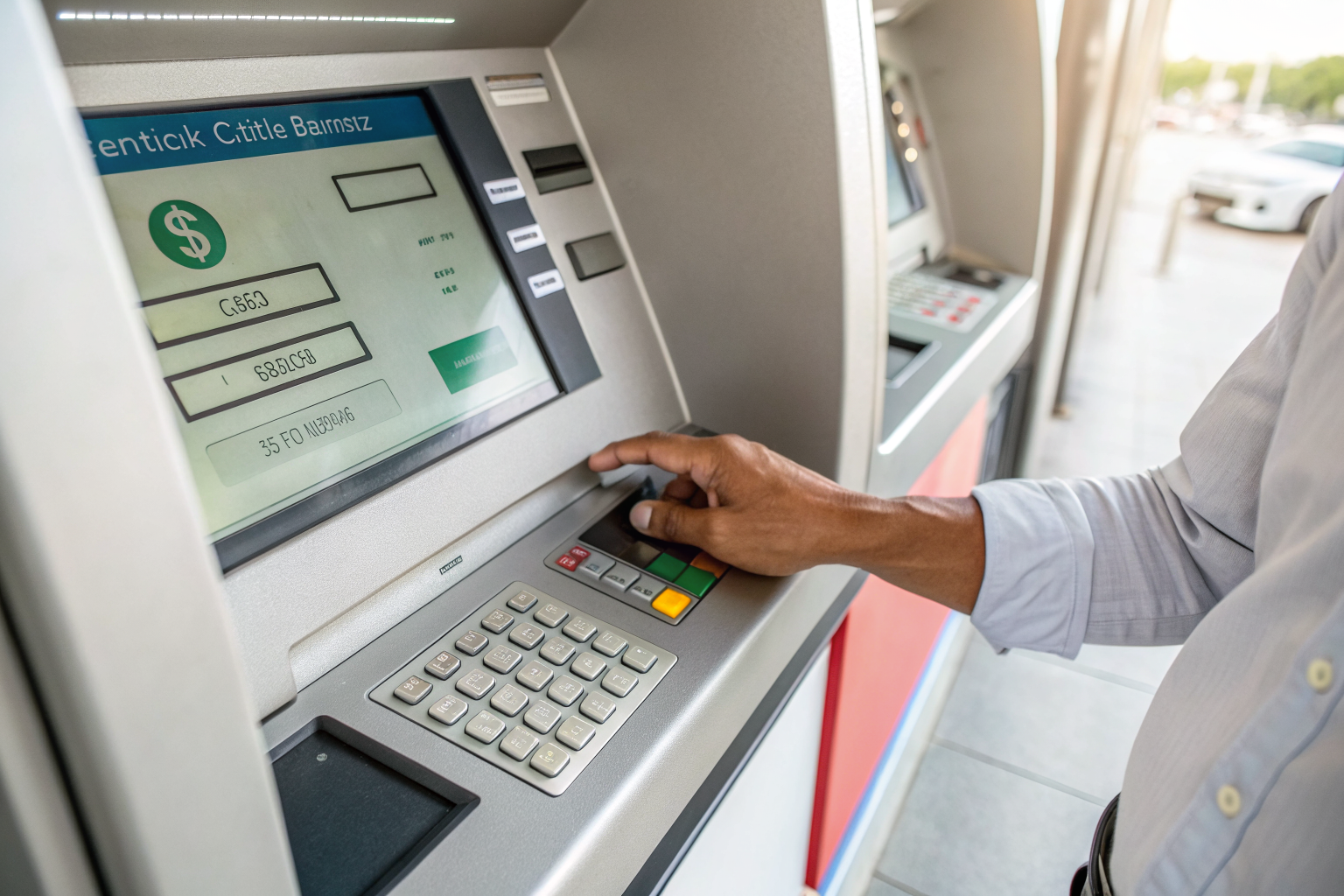
Understanding withdrawal cancellation windows can save you hundreds of rupees in unnecessary fees while providing crucial flexibility in your banking decisions. Whether you’re closing an account, withdrawing cash from ATMs, or dealing with special RBI restrictions, knowing your rights and timeframes is essential for smart financial management.
The Reserve Bank of India (RBI) and individual banks maintain various cooling-off policies that give customers specific windows to reverse or modify withdrawal requests without penalties. These policies extend from ATM transaction limits that reset monthly to account closure procedures that offer 14-day fee waivers, creating a complex landscape of rules that vary significantly across institutions.
What Are Withdrawal Cancellation Windows?
Withdrawal cancellation windows represent designated timeframes during which customers can reverse or modify their withdrawal requests without incurring fees or penalties. These cooling-off periods apply primarily to account closures and fund transfers, where banks provide grace periods ranging from 7 to 14 days for customers to reconsider their decisions.
The concept differs significantly from standard ATM withdrawal rules, which operate on monthly limits rather than cancellation windows. While you cannot cancel an ATM transaction once completed, the monthly reset mechanism functions similarly by providing fresh fee-free opportunities. The RBI framework establishes minimum standards, but individual banks often extend more generous terms to retain customers.
These windows serve multiple purposes: protecting consumers from hasty financial decisions, reducing administrative burden on banks from frequent account reopenings, and ensuring compliance with RBI guidelines on fair banking practices.
Cooling-Off vs. Processing Time
The cooling-off period specifically refers to fee-free windows typically lasting 1-2 weeks where customers can reverse closure requests without charges. This differs from processing time, which is the duration banks require to complete transactions regardless of customer preferences.
During the cooling-off period, your account remains fully functional, and you retain all banking privileges. Processing time begins only after this window expires or when you explicitly confirm your closure request, making the distinction crucial for financial planning.
RBI Regulatory Framework
RBI guidelines establish baseline protections for withdrawal cancellations, particularly regarding ATM transaction limits and account closure procedures. The central bank mandates that banks cannot impose arbitrary restrictions on customer withdrawal rights, though individual policies may vary.
Recent regulatory updates, including the May 2025 ATM fee structure changes, demonstrate the RBI’s ongoing efforts to balance customer convenience with banking sector sustainability. These variable policies create opportunities for savvy customers to optimize their banking relationships through strategic timing.
Bank Account Closure Cancellation Periods
Major Indian banks offer varying cancellation periods for account closures, with most providing 7 to 14 days for customers to reverse their decisions without fees. Understanding these timeframes helps you avoid premature closures while maintaining flexibility in your banking arrangements.
The key requirement across all banks is maintaining a zero balance before initiating closure requests, though the cancellation window allows you to restore funds if you change your mind within the specified period.
| Bank | Cooling-Off Period (Fee Waiver) | Fee After Period | Min Account Age for No Fee |
|---|---|---|---|
| HDFC Bank | 14 days | ₹500 | 12 months |
| State Bank of India | 14 days | ₹300 | 6 months |
| ICICI Bank | 10 days | ₹600 | 12 months |
| Axis Bank | 7 days | ₹400 | 9 months |
| Kotak Mahindra | 10 days | ₹500 | 8 months |
Preparing for Closure Cancellation
Proper preparation ensures you can effectively utilize cancellation windows if needed. The process involves several critical steps that must be completed before initiating any closure request.
Success depends on thorough preparation and understanding your bank’s specific requirements. Missing any step can complicate the cancellation process or result in unexpected fees.
Follow these essential preparation steps to maximize your cancellation options:
- Reduce your account balance to zero or near-zero to meet closure prerequisites while maintaining the option to restore funds quickly
- Delink all automatic payment services, standing instructions, and connected financial products like credit cards or loans
- Document all linked services and their alternative arrangements to ensure seamless transitions if closure proceeds
- Submit your closure request through official channels with explicit mention of your desire to utilize the cancellation window
- Obtain written confirmation of your cooling-off period terms and any specific procedures for reversing the closure
- Set calendar reminders for key dates to avoid accidentally letting the cancellation window expire
ATM Withdrawal Rules and Cancellation
ATM withdrawal rules operate differently from account closure cancellations, focusing on monthly limits rather than post-transaction reversal options. The RBI’s upcoming fee structure changes in May 2025 will increase charges from ₹21 to ₹23 for transactions exceeding free limits, making strategic withdrawal planning more important.
The monthly reset mechanism functions as a withdrawal “window” by providing fresh fee-free opportunities every calendar month. Understanding these limits helps you avoid unnecessary charges while maximizing your banking flexibility.
| Transaction Type | Free Limit/Month | Charge After (from May 2025) | Metro/Non-Metro Variation |
|---|---|---|---|
| Own Bank ATM Withdrawal | Unlimited | Free | No variation |
| Other Bank ATM Withdrawal | 5 times (Metro), 3 times (Non-Metro) | ₹23 | Metro cities have higher limits |
| Balance Inquiry | 5 times (Metro), 3 times (Non-Metro) | ₹10 | Same as withdrawal limits |
| Mini Statement | 5 times (Metro), 3 times (Non-Metro) | ₹5 | Consistent across locations |
New RBI ATM Charges 2025
The Reserve Bank of India announced a ₹2 increase in ATM transaction charges effective May 2025, raising fees from ₹21 to ₹23 for cash withdrawals exceeding monthly free limits. This represents the first fee adjustment in several years and reflects rising operational costs for banks and ATM operators.
The increase applies only to inter-bank transactions at non-home bank ATMs, while own-bank ATM usage remains free regardless of transaction frequency. Balance inquiry charges will remain at ₹10, creating a wider gap between withdrawal and inquiry costs that may influence customer behavior.
Avoiding ATM Fees
Strategic planning can help you stay within free transaction limits and avoid the upcoming fee increases. Understanding your usage patterns and optimizing your withdrawal strategy becomes increasingly important as costs rise.
Consider these practical approaches to minimize ATM-related expenses:
- Track your monthly ATM usage to stay within free limits, particularly for non-home bank transactions
- Plan larger, less frequent withdrawals to maximize each free transaction opportunity
- Utilize your home bank’s ATM network whenever possible to avoid inter-bank charges
- Consider digital payment alternatives for smaller transactions to preserve your ATM withdrawal quota
- Time your withdrawals strategically around month-end to reset your free transaction count
Major Banks: Cancellation Timelines Comparison
Different banks maintain varying policies for closure request windows and processing times, creating opportunities for customers to choose institutions that best match their flexibility needs. Understanding these differences helps you select banks that offer more generous cancellation terms.
| Bank | Closure Request Window | Processing Time | Fees (INR) |
|---|---|---|---|
| HDFC Bank | 14 days (email/branch) | 7-10 business days | ₹500 (waived within window) |
| State Bank of India | 14 days (branch/mail) | 10-15 business days | ₹300 (waived within window) |
| ICICI Bank | 10 days (online/branch) | 5-7 business days | ₹600 (waived within window) |
| Axis Bank | 7 days (branch only) | 7-12 business days | ₹400 (waived within window) |
| Kotak Mahindra | 10 days (email/branch) | 8-10 business days | ₹500 (waived within window) |
| Yes Bank | 7 days (branch/phone) | 5-8 business days | ₹350 (waived within window) |
| Punjab National Bank | 12 days (branch/mail) | 12-18 business days | ₹250 (waived within window) |
Remote Closure from Abroad
Non-Resident Indians (NRIs) and customers living abroad face unique challenges when attempting to cancel bank account closures remotely. Most banks require physical presence or authorized representatives for closure reversals, making the cancellation window even more critical for overseas customers.
The key to successful remote cancellation lies in establishing clear communication channels before initiating closure requests. Email documentation becomes crucial, as it provides verifiable proof of your cancellation request within the specified timeframe. Some banks accept scanned documents and video calls for identity verification, though policies vary significantly across institutions.
Negotiation often plays a vital role in remote cancellations. Banks may extend standard windows for customers who can demonstrate legitimate overseas residence and provide adequate documentation. Building relationships with specific branch managers or relationship officers can facilitate smoother remote transactions and potentially more flexible cancellation terms.
RBI Restrictions on Withdrawals
The Reserve Bank of India implements special withdrawal restrictions in specific circumstances, particularly during banking sector stress or institutional failures. These restrictions typically include six-month withdrawal caps and protection through deposit insurance of up to ₹5 lakh per depositor, creating a different framework from standard banking operations.
Understanding these restrictions helps differentiate between normal cancellation windows and emergency regulatory measures. While standard cancellation policies focus on customer convenience and fee avoidance, RBI restrictions prioritize financial system stability and depositor protection during crisis situations.
These emergency measures operate independently of normal banking policies and may override standard cancellation windows when implemented. Customers affected by such restrictions face different rules and timelines that prioritize systemic stability over individual convenience, though depositor protection mechanisms remain in place.
Cooperative Bank Cases
The New India Co-operative Bank case exemplifies how RBI restrictions affect withdrawal cancellation options during institutional stress. When cooperative banks face financial difficulties, the central bank may impose withdrawal limits ranging from ₹1,000 to ₹40,000 per day, effectively suspending normal cancellation procedures.
These restrictions typically remain in effect for several months while resolution processes unfold, during which standard account closure cancellation windows become irrelevant. Depositors must navigate a different set of rules focused on institutional rehabilitation rather than customer service optimization.
Depositor Protections
Even under RBI restrictions, specific protections remain in place for affected customers:
- Deposit insurance coverage up to ₹5 lakh per depositor ensures principal protection despite withdrawal limitations
- Priority access for medical emergencies and essential expenses often receives expedited approval even under restrictions
- Clear timelines for resolution processes provide depositors with realistic expectations for normal service restoration
- Alternative banking arrangements facilitated by regulatory authorities help minimize disruption to customers’ financial lives
Fees and Costs for Early Cancellations
Understanding the fee structure for various cancellation scenarios helps you make informed decisions about timing and procedures. Early cancellation costs vary significantly based on account age, closure method, and specific bank policies.
The fee landscape becomes more complex with the introduction of higher ATM charges and varying bank policies, making strategic planning essential for cost minimization.
| Scenario | Fee (INR) | Conditions | Avoidance Tip |
|---|---|---|---|
| Account Closure (Early) | ₹300-600 | Account < 12 months old | Wait for minimum age or use cancellation window |
| ATM Excess Usage (2025) | ₹23 per transaction | Exceeds monthly free limit | Plan withdrawals within free quota |
| Closure Cancellation Reversal | ₹0-150 | Within cooling-off period | Act quickly within specified window |
| Dormant Account Reactivation | ₹200-500 | No transactions for 2+ years | Maintain minimal activity to prevent dormancy |
| Remote Closure Processing | ₹500-1000 | NRI/overseas customers | Use authorized representatives or negotiate terms |
Tax Implications for Large Withdrawals
Withdrawals exceeding ₹10 lakh trigger mandatory reporting to the Income Tax Department under current regulations, creating additional considerations for large-scale account closures. These reporting requirements operate independently of cancellation windows but may influence your timing decisions.
The tax implications become particularly relevant when closing multiple accounts simultaneously or withdrawing substantial amounts during the cancellation window. While the transactions themselves aren’t taxable, the reporting requirements may prompt tax authorities to scrutinize your financial activities, making documentation and legitimate source verification important considerations.
Step-by-Step Cancellation Process
Successfully navigating the withdrawal cancellation process requires systematic preparation and precise timing. Following the correct sequence ensures you maximize your options while avoiding unnecessary fees or complications.
- Research your specific bank’s cancellation policies and cooling-off periods before initiating any withdrawal or closure request
- Prepare all required documentation and ensure your account meets pre-cancellation requirements like zero balance maintenance
- Submit your initial request through official channels while explicitly requesting information about cancellation windows and procedures
- Obtain written confirmation of your cooling-off period terms, including specific deadlines and reversal procedures from bank representatives
- Monitor your account status daily during the cancellation window to ensure no unexpected processing occurs before your decision deadline
- Document all communications with the bank, including dates, times, and representative names for future reference if disputes arise
- If canceling, submit your reversal request well before the deadline expires, allowing time for processing and confirmation of the cancellation
Documents Required
Proper documentation streamlines the cancellation process and prevents delays that might cause you to miss important deadlines. Having all required materials ready before starting ensures smooth processing.
- Valid government-issued photo identification (Aadhaar, PAN card, passport, or driver’s license) for identity verification
- Account statements showing zero or minimal balance status to meet closure prerequisites
- Written cancellation request letter clearly stating your desire to reverse the withdrawal or closure within the cooling-off period
- Signature verification documents matching your original account opening signatures for authentication purposes
- Power of attorney documents if using authorized representatives, particularly important for NRI customers managing accounts remotely
Managing Multiple Account Relationships
Customers with multiple bank relationships face additional complexity when managing cancellation windows across different institutions. Each bank’s unique policies require separate tracking and coordination to optimize your overall banking strategy.
Staggering account closure requests allows you to maintain banking relationships while testing cancellation procedures at individual institutions, providing valuable experience for future financial planning decisions.
Tips to Maximize Cancellation Windows
Strategic planning and proactive communication help you extract maximum value from available cancellation windows while maintaining flexibility in your banking relationships. Understanding the nuances of different policies allows for optimal timing and execution.
Consider these advanced strategies for maximizing your cancellation options:
- Plan major account changes during periods when you have time to properly evaluate decisions and utilize full cooling-off periods
- Contact bank relationship managers directly to discuss your specific situation and potentially negotiate extended cancellation terms
- Track your ATM usage patterns early in each month to avoid exceeding free limits and triggering unnecessary fees
- Maintain detailed records of all bank policies and changes to identify opportunities for better terms or service improvements
- Establish relationships with multiple banks to create backup options if one institution’s policies become less favorable
- Time account closures strategically around fee structure changes to minimize costs and maximize available options
- Use cancellation windows as negotiation tools when discussing service improvements or fee waivers with bank representatives
Common Challenges and Solutions
Understanding frequent obstacles helps you prepare solutions and maintain control over your banking decisions even when complications arise during the cancellation process.
| Challenge | Impact | Solution |
|---|---|---|
| Remote Access Limitations | Cannot visit branch for cancellation | Use email/phone with documentation, authorize representatives |
| Linked Product Dependencies | Credit cards/loans prevent closure | Delink products systematically before initiating closure |
| Processing Delays | Miss cancellation window deadline | Submit requests early, follow up proactively with bank staff |
| Fee Structure Changes | Unexpected costs during process | Stay informed about policy updates, time requests strategically |